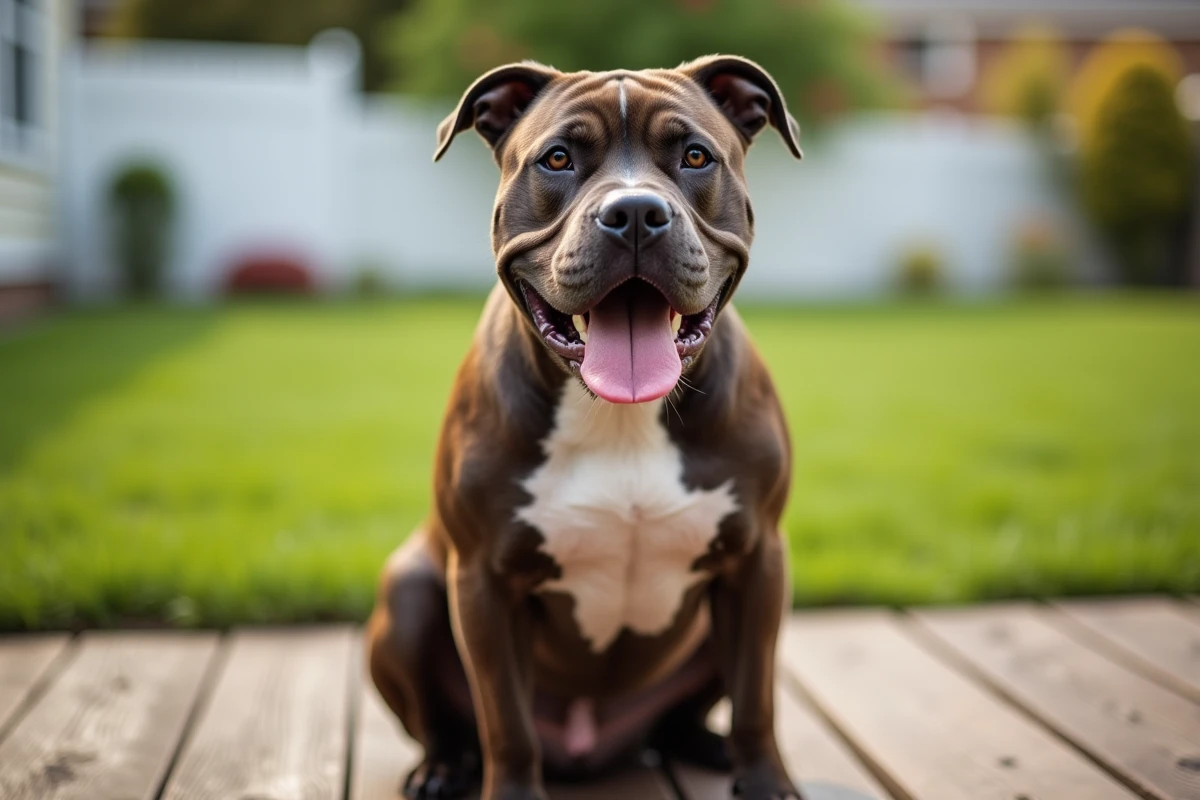
The Exotic Bully is not a variety of American Bully. This confusion, perpetuated by part of the market, poses a concrete problem at the time of acquisition: the legal status, structural health, and genealogical tracking differ radically between the two types. Here we detail the technical points to master before signing a reservation contract.
Veterinary Diagnosis and Categorization Risk in France
An American Bully or an Exotic Bully acquired without a pedigree recognized by a structured breed club is subject to behavioral and morphological evaluation at the prefecture. The 1999 law on dangerous dogs classifies any dog meeting the morphological criteria of the Pitbull type without officially registered lineage as category 1.
The American Bully, although not recognized by the FCI or registered in the LOF, benefits from oversight by registries such as the ABKC or the FBKC. An ABKC or FBKC pedigree is not equivalent to a LOF, but it constitutes evidence during a veterinary diagnosis. The breeder must provide this document at the time of transfer.
The Exotic Bully, morphologically more extreme (massive head, pronounced skin folds, heavy bone structure on a small frame), is significantly more exposed to being classified as a Pitbull type. Several prefectures and veterinary consultants have considered since 2024 that an Exotic without official papers can trigger a classification in category 1.
We recommend checking, before any purchase, that the puppy is registered with a recognized club and that a canine professional has already undertaken similar steps with the local prefecture. Detailed sheets on the differences between these two types can be consulted on the website www.attitudecanine.fr.
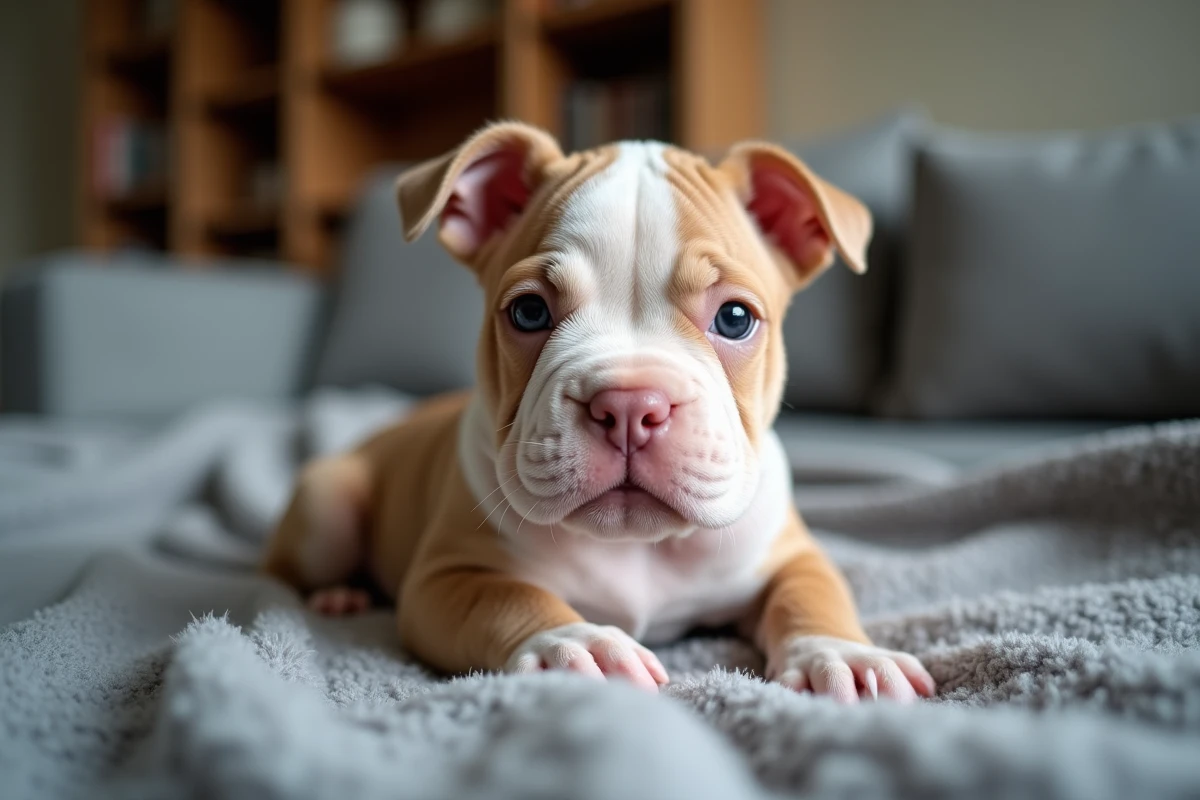
Exotic Bully: A Distinct Category, Not a Miniature American Bully
The ABKC standard does not recognize the Exotic Bully as a variety of American Bully. The Exotic is the result of crossings between American Bullies and other bulldog or bull-type breeds, selected to emphasize certain traits: broad skull, shortened muzzle, skin folds, disproportionate bone structure relative to size. The Exotic Bully constitutes a distinct category with its own registries.
This distinction has direct consequences on health. The shortening of the muzzle frequently leads to severe brachycephalic syndrome. The skin folds promote chronic dermatitis. The excess bone structure on a compact skeleton generates early joint pathologies. A serious Exotic Bully breeder must provide at least the results of respiratory tests and orthopedic assessments on the breeding stock.
Points of Vigilance When Examining the Puppy
- Check that the puppy breathes without abnormal noise at rest and after moderate exertion, a sign of an already established obstructive syndrome.
- Observe locomotion: a puppy that moves by rolling its shoulders or tires quickly may have dysplasia or a spinal malformation related to extreme morphological selection.
- Request the genetic test results of the parents (at least for hip dysplasia and heart diseases), as the Exotic concentrates lines with narrow genetic heritage.
American Bully: Reading a Pedigree and Identifying a Structured Breeder
An ABKC or FBKC pedigree is not just a commercial paper. It traces lineage over several generations and allows verification that the breeders are not from inbred lines. A breeder who refuses to show the complete pedigree of the parents, or who offers a puppy “with papers pending,” should be dismissed.
The American Bully comes in four official sizes according to the ABKC: Pocket, Standard, Classic, and XL. Each category meets specific height criteria at the withers. A puppy sold as “XL” must have parents that are themselves registered in the XL category. We regularly observe advertisements where the announced category does not match that of the parents, which either reveals a lack of knowledge of the standard or an intention to inflate the selling price.
Concrete Criteria for Evaluating the Breeder
- The breeder must present a sales contract compliant with French regulations on the transfer of pets, including identification by microchip and a veterinary certificate of good health.
- Puppies must be socialized in a home environment, not isolated in outdoor boxes. Early socialization conditions the balanced temperament that the breed is supposed to produce.
- The breeder must be able to justify the health monitoring of their breeding stock (vaccinations, deworming, annual assessments) and their active registration with a breed club.
- An abnormally low price compared to the market almost always signals a breeding operation without veterinary oversight, without genetic testing, or without litter registration.
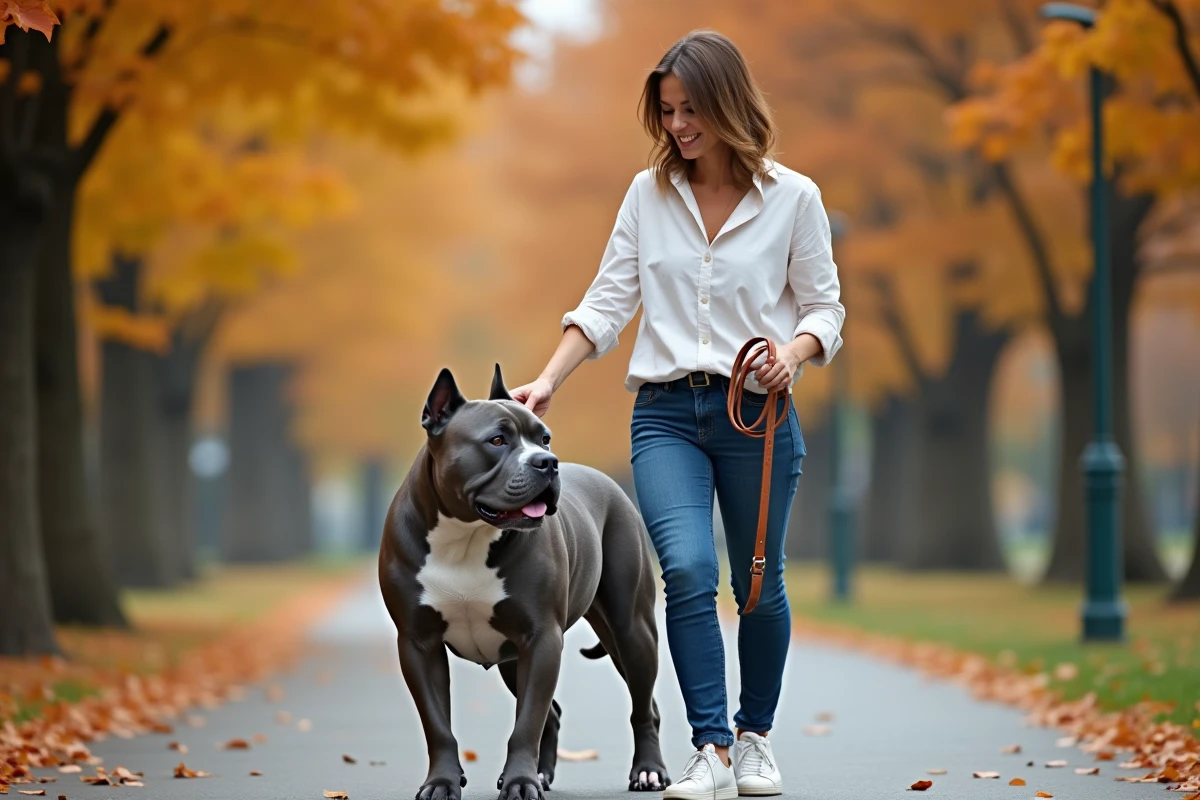
Real Budget for an American Bully or an Exotic Bully: Beyond the Purchase Price
The acquisition cost represents only a fraction of the total budget. Pet health insurance becomes almost essential for an Exotic Bully given the frequency of respiratory and joint pathologies. Some insurance companies exclude breeds not recognized by the FCI or apply significant surcharges, which should be verified before purchase.
The routine veterinary care of an American Bully remains comparable to that of a medium to large-sized dog. The diet must be adapted to the animal’s muscle mass, with a significant protein intake. For an Exotic, dermatological consultations and regular respiratory assessments notably increase the annual bill.
Choosing between American Bully and Exotic Bully comes down to deciding between a robust companion with manageable regulatory constraints and a dog with a spectacular physique but heavy health and legal burdens. In both cases, the quality of the breeding takes precedence over the displayed price, and a complete file (pedigree, tests, contract) remains the only reliable filter when reserving a puppy.