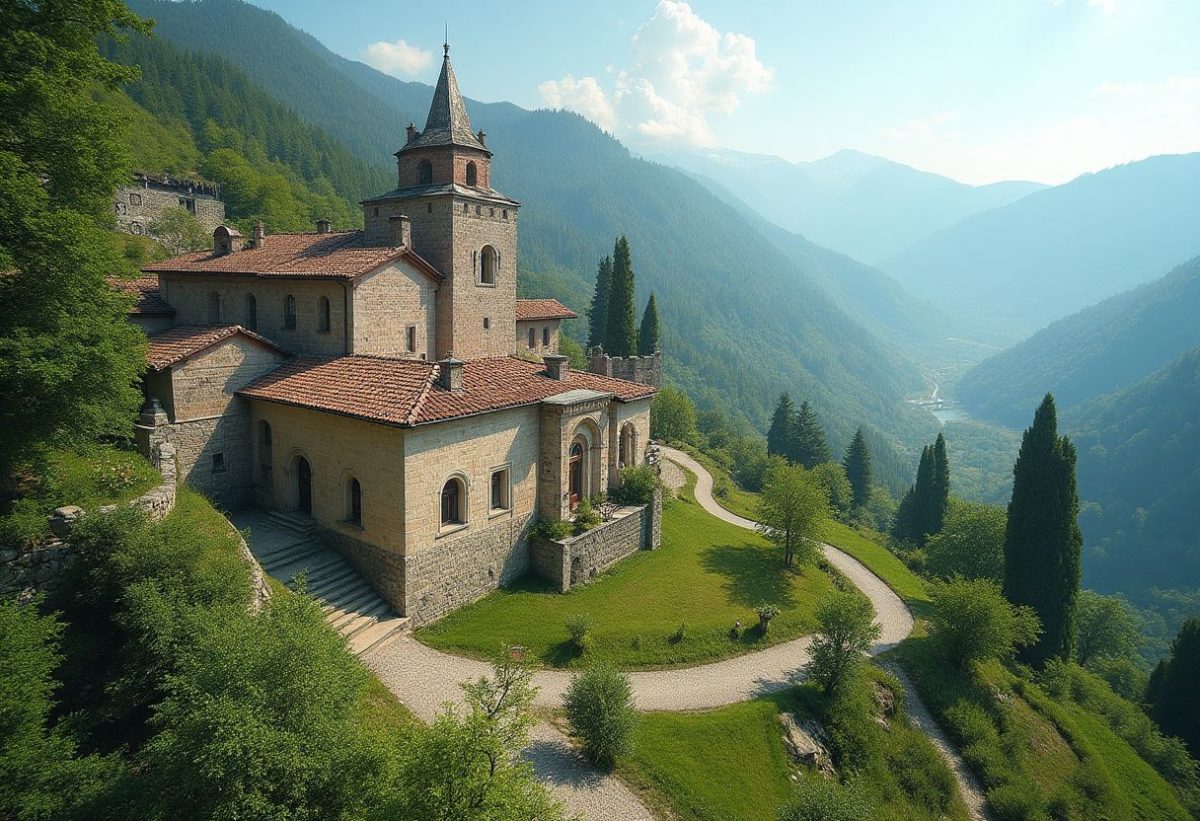
The word « heritage » evokes much more than simple monuments or ancient works of art. It embodies a collective wealth, a living memory that shapes the identity of peoples and nations through the ages. In a world in perpetual evolution, the notion of heritage takes on a dimension where preservation, transmission, and enhancement intertwine. Whether cultural, natural, material, or immaterial, its importance lies in its ability to connect the past to the present while opening up perspectives for the future.
Origins and evolution of the concept of heritage
The history of heritage dates back centuries, and its concept has evolved over time, influenced by various social, political, and cultural contexts.
The earliest traces of the notion of heritage appear in Antiquity with the preservation of certain monuments dedicated to gods or leaders. In the Middle Ages, heritage primarily focused on religious buildings. With the Renaissance, a renewed interest in classical Antiquity and its preservation emerged, marking a turning point in the perception of works from the past. It was not until the 19th century that the term « heritage » took on its modern form, integrating both a public dimension and a notion of cultural transmission. The 20th century further broadened the concept, incorporating elements such as natural landscapes or oral traditions, recognized by institutions like UNESCO. Today, heritage is not limited to tangible objects but includes practices, knowledge, and traditions passed down from generation to generation.
Types of heritage and their importance
Heritage is divided into several categories, each with its own value and unique contribution to society. It is essential to recognize them to grasp their significance.
- Tangible cultural heritage: this type of heritage includes historical monuments, sculptures, paintings, and architectural works that serve as testimonies of human history. Their preservation helps keep the collective memory alive.
- Natural heritage: landscapes, nature reserves, and ecosystems are precious elements that not only enrich our environment but are also essential for biodiversity and climate.
- Intangible heritage: it encompasses traditions, oral expressions, rituals, and artisanal know-how. By protecting and enhancing these elements, we ensure cultural diversity and respect for different identities.
These different forms of heritage play a crucial role in strengthening social bonds and affirming cultural identity. They also serve as an important economic vector through tourism and the creation of local jobs.
Challenges and preservation strategies
Preserving heritage represents a major challenge, involving various strategies to address the threats it faces. Different challenges loom on the horizon, requiring innovative approaches to overcome them.
Environmental threats, such as climate change, as well as armed conflicts, pose significant risks to historical and cultural sites. To address this, it is imperative to implement robust conservation measures and encourage international collaboration. Technological advancements, such as digitization and 3D modeling, offer new perspectives for documenting and restoring damaged sites. Furthermore, educating younger generations about the value of heritage is crucial for ensuring its transmission. Public policies must also be strengthened to support the protection and promotion of heritage while considering the interests of local communities. By adopting an integrated and participatory approach, it becomes possible to meet these challenges and ensure the sustainability of our collective heritage.
Role of institutions and civil society
Institutions and civil society play a fundamental role in the preservation and enhancement of heritage. Their concerted action is necessary to ensure effective management.
- International organizations: entities like UNESCO work for the recognition and protection of world heritage, providing normative frameworks and financial support.
- Local governments: they are responsible for implementing appropriate legislation and promoting heritage at the national level, ensuring sustainable management.
- Civil Society and NGOs: their awareness-raising, research, and mobilization efforts are essential for alerting to the threats facing heritage and promoting its conservation.
Their collective involvement ensures that heritage remains a priority, thus ensuring its preservation for future generations. Through these joint efforts, cultural and natural riches continue to play a vital role in the sustainable development of societies. On wealth management, learn more by following this link.
The notion of heritage stands as a pillar of our civilization, a cultural, ecological, and economic issue that transcends borders. The efforts made for its preservation and enhancement testify to a collective will to pass on to future generations the treasures inherited from the past.