
For centuries, the morphology of the nose has sparked interest in various cultures, embodying meanings that go far beyond aesthetics. Each nose shape, whether aquiline, upturned, or otherwise, can be perceived differently depending on the societies. These perceptions are often rooted in a complex mix of beliefs, traditions, and ideals of beauty. The cultural interpretation of nasal features can reveal surprising facets of identity and personality, even influencing certain decisions such as opting for cosmetic surgery to conform to or challenge these norms.
Nose Shapes Through the Ages and Their Cultural Meanings
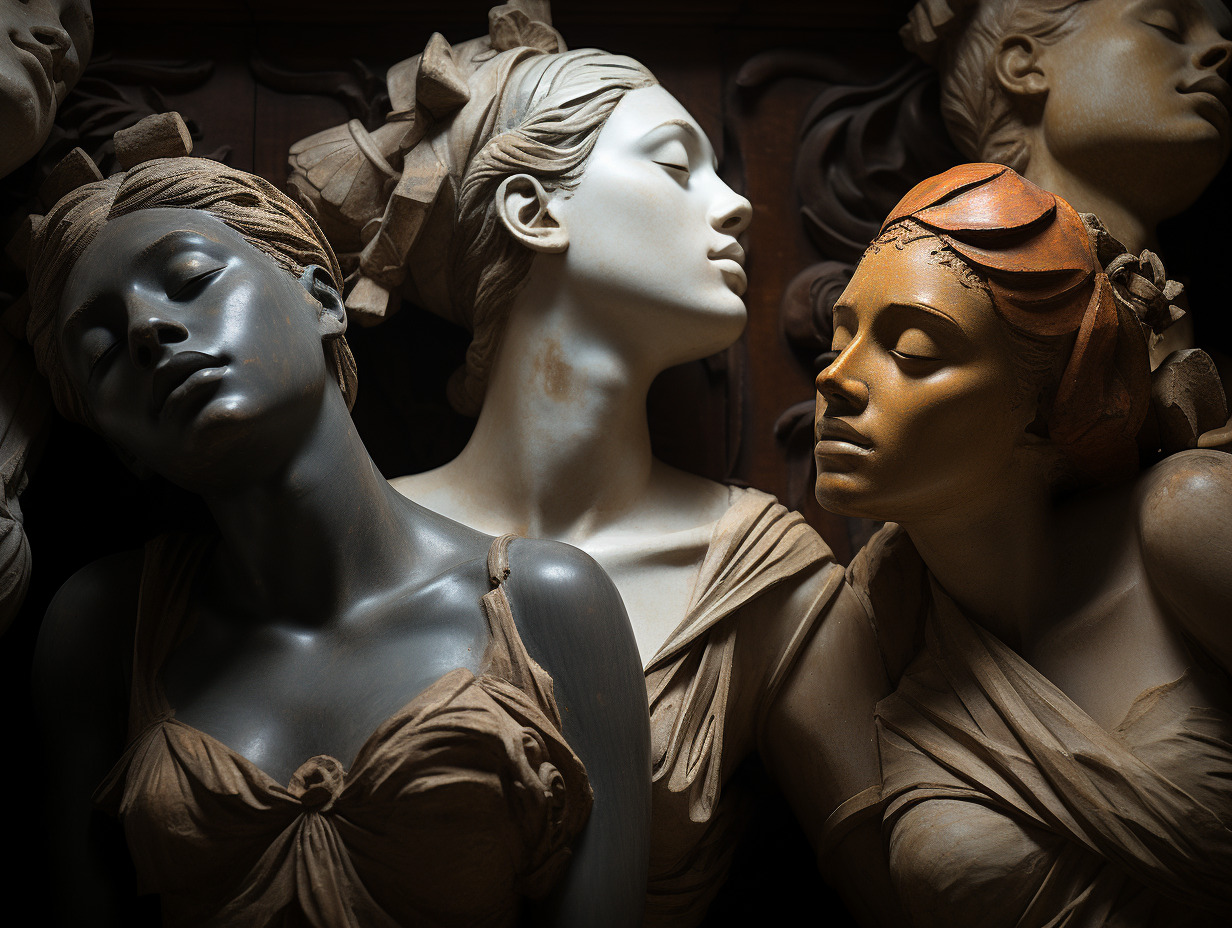
Over the centuries, different nose shapes have echoed the beauty standards and values of multiple civilizations. The aquiline nose, for example, often associated with figures of power and authority, has become embedded in Western tradition as a symbol of nobility and intelligence. An aquiline nose in men could be interpreted as a sign of virility and character. In antiquity, the Greek nose, straight and slender, was considered the archetype of aesthetic perfection, as illustrated by numerous sculptures of the time.
Conversely, the flat nose, characteristic of African or Asian origins, has long been undervalued by Western beauty standards, leading to unfair cultural stigmatization. The diversity of nasal shapes, such as the wide Nubian nose with flared nostrils or the upturned nose with its childlike charm, is celebrated in many cultures that view them as distinctive and attractive traits, testaments to ethnic identity and pride. The hooked nose, with its prominent bridge, represents another variant of the complexity of nose types. By the end of the 19th century, this type was often linked to ethnic and social stereotypes. Today, the trend leans towards the acceptance of individual peculiarities, even though rhinoplasty, aimed at altering the aesthetic appearance of the nose, remains a common practice for those seeking to harmonize their face according to their desires or contemporary standards.
The Perception and Impact of Different Nose Shapes in Contemporary Society
In today’s society, the nose is not just a vital nasal appendage for breathing and olfaction; it has become a central element of identity and self-esteem. The different types of noses are perceived through the lens of changing aesthetic norms and can influence how individuals are perceived and how they perceive others. Take, for example, the concave nose, often associated with a certain delicacy and refinement, or the eagle-beak nose, which can evoke resolution and strength of character. Nose reshaping surgery, or rhinoplasty, is a widespread surgical procedure that reflects the importance placed on this appendage in the appreciation of facial aesthetics. Countries like Tunisia have become favored destinations for this type of cosmetic surgery, reflecting a globalization of the desire to conform to certain beauty standards. Rhinoplasty allows for modifications to the tip, bridge, or nostrils, offering individuals the opportunity to transform their face according to their personal aspirations. The morphological peculiarities of noses vary greatly among different ethnic groups, leading to a richness of shapes and cultural meanings. The predominance of certain traits in media and popular culture can lead to a standardization of the nasal ideal. The valorization of the straight nose as the beauty ideal has, for example, marginalized traits more common to other ethnicities, such as the flat nose with wide nostrils. Beyond aesthetics, the nose plays a key role in fundamental biological functions such as breathing and phonation. The nasal cavities, as an integral part of the respiratory pathways, are essential for the intake of air necessary for these processes. The nose houses the organ of olfaction, thereby enriching our sensory perception of the world. These biological aspects underscore the primary functionality of the nose, far beyond its role in aesthetic appreciation.