In the restaurant industry, air quality and kitchen safety rely on a fundamental piece of equipment: the professional hood. Essential for ensuring adequate ventilation, it evacuates smoke, grease, and odors, thus preventing the accumulation of flammable residues. Choosing the right one becomes crucial to guarantee optimal working conditions that comply with current health standards. But with the variety of models, technologies, and configurations available, how can you decide without making a mistake?
Analyze your specific needs
Before embarking on the purchase of a hood, it is important to assess the specifics of your establishment. Each kitchen has distinct requirements dictated by its volume, type of culinary production, and the intensity of its activity.
- Type of cuisine: A high-end restaurant kitchen will require a different hood than that of a fast-food establishment. The equipment and cooking types influence smoke and grease emissions.
- Production volume: The higher the production volume, the more efficient the hood must be to effectively evacuate smoke and odors.
- Kitchen configuration: The layout of cooking equipment, ceiling height, and kitchen area are elements to consider.
Choose the appropriate type of hood
On the market, several types of hoods are available, each catering to specific needs. Their selection depends on the use and configuration of your kitchen.
Extraction hood: This model is ideal for kitchens with intensive production. It sucks in smoke and odors to expel them outside via a duct. It requires an exhaust duct system and can be more expensive to install.
Recirculation hood: Mainly used when external evacuation is not possible. It filters the air to return purified air back into the kitchen. Less effective for large volumes of smoke, but useful in confined environments.
Check certifications and standards
Professional hoods must meet strict criteria to ensure safety and efficiency in the kitchen. Inquiring about standards and certifications is an essential step.
- NF EN 16282 standard: This European standard defines performance and safety requirements for professional kitchen hoods.
- CE certification: Ensures that the product complies with the European Union’s safety, health, and environmental protection requirements.
- UL marking: For equipment imported from the United States, it guarantees that the hood has been tested and meets American safety standards.
Consider accessories and options
To optimize the performance of your hood, adding accessories and options can be beneficial. These elements play a crucial role in the efficiency and longevity of the device.
Filters: Grease, activated carbon, or electrostatic filters are essential for capturing grease particles and purifying the air. Opt for filters that are easy to clean or replace.
Integrated lighting: Good visibility is essential in the kitchen. Hoods equipped with LED lighting provide optimal brightness while being energy-efficient.
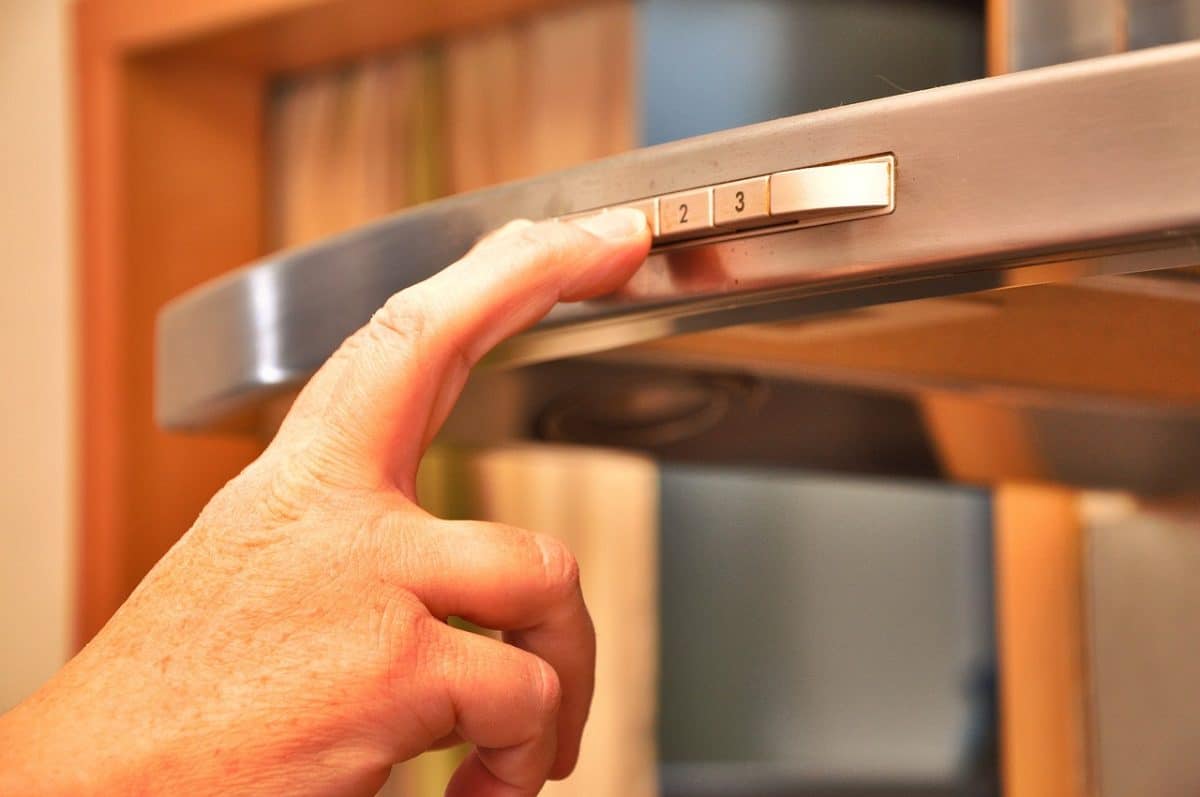
Control systems: Some models offer digital or touch controls, making it easier to adjust the suction speed. Others are equipped with smart sensors that automatically adjust ventilation based on needs.
Examine technical and installation aspects
The installation of a professional hood should be carried out by experts to ensure optimal operation. It is also essential to consider the technical aspects to avoid any surprises.
- Suction power: Measured in cubic meters per hour (m³/h), it must be suitable for the size of the kitchen and the equipment used. Insufficient power would compromise the efficiency of ventilation.
- Professional hood motor: The performance and durability of the professional hood motor are crucial.
- Noise level: A high noise level can be disruptive for staff. Choose a quiet hood, especially in open kitchens.
Choosing a professional hood requires careful attention to the specific needs of your establishment, standards and certifications, available types of hoods, and technical aspects. An informed choice ensures not only the safety and comfort of your team but also the satisfaction of your customers. Do not hesitate to consult experts to guide you in your approach and ensure a compliant and effective installation.