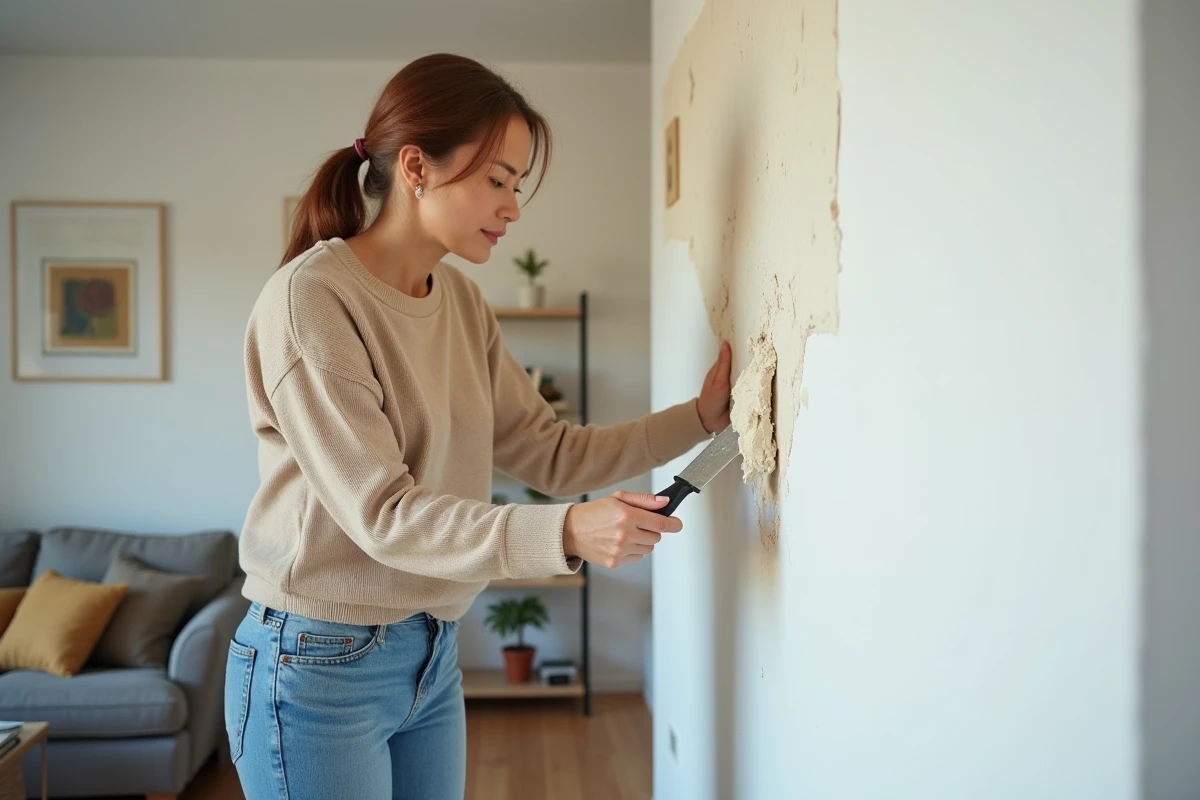
Removing a dry cement render from a stone wall is like venturing onto a minefield, where every poorly executed action can leave an indelible mark. The adhesion of the cement depends on both the nature of the render and the thirst of the wall, its porosity. Sometimes, one thinks they can save time by forcing the stripping, but the consequences are immediate: the substrate crumbles, and the wall loses its substance. Conversely, a method that is too timid leaves behind scraps of residue that, over time, end up tarnishing the whole.
Not all tools are equal. Some, designed for other uses, can damage the old stone and cause unsightly chips. Chemical products, on the other hand, require precise dosing. The slightest mistake can leave a mark or dirty the surface. Residual moisture, the temperature of the site, everything influences the final result. To avoid any unpleasant surprises, a precise protocol must be established, tailored to the slightest particularity of the wall. This is the only way to protect the integrity of the substrate without sacrificing effectiveness.
Why does cement render adhere so strongly to stone? Understanding the stakes before acting
The attachment of cement to stone is not a matter of whim. It all begins with the very composition of cement mortar. When applied, this material seeps into the tiniest crevices of the stone, taking advantage of every pore, then hardens and mineralizes under the effect of air. This bond, sought after during installation, quickly turns into a puzzle when it comes to reversing the process.
The porosity of the substrate makes all the difference. On soft stone, the cement sinks deeply, penetrating to the heart of the wall. On harder stone, it remains more on the surface, but that doesn’t make it any easier to remove: the resistance is firm and tenacious. That’s why removing dry render from a wall without damaging the facade becomes an art.
Moisture complicates the task. An excess of water during application only worsens the situation: mineral salts migrate, efflorescence settles in, and the setting of the cement accelerates. On old structures, this reaction makes the removal of the render even more delicate. For each intervention, one must gauge, anticipate, and carefully select each tool to limit the impact on the stone.
Better understanding these interactions gives you a chance to succeed. It allows you to adjust the method, choose the most respectful strategy for the stone, and avoid the appearance of micro-cracks, chips, or worse, loss of material. Vigilance is essential from the start, even before thinking about the techniques or tools to use.
Which tools and techniques should be prioritized to remove the render without damaging the wall?
Removing a dry render from an old wall is not something to improvise. The choice of tools determines the success of the project: one must know how to separate the render from the stone without compromising its nobility. Manual solutions should be prioritized to keep the hand light and the gesture precise.
Here are the tools and techniques suited for this meticulous work:
- A wide putty knife or a hand chisel: ideal for removing the render while respecting the stone, they allow for working closely with the original material.
- For larger surfaces or particularly resistant layers of render, an electric jackhammer may be considered. Always set it to the lowest power, take frequent breaks, and continuously monitor the depth of impact.
Lightly moistening the surface also plays a key role. A simple sprayer can soften the top layer of the render, making the work easier while limiting dust and the risk of chips. For finishing touches, opt for a fine-grit sandpaper or an appropriate sander. Work in circular motions, without focusing too much on one area, to avoid digging into the stone.
To better visualize the array of useful tools for this operation, follow these recommendations:
- Chisel for removing thick or very adhesive areas of render.
- Putty knife for detaching parts already weakened by moistening.
- Electric jackhammer to be used with extreme caution on large surfaces.
- Sandpaper or sander for a neat finish.
The success of this work relies on mastering the gesture, but also on the ability to observe the slightest reaction of the stone wall. Brute force has no place here. Only patience, combined with a sharpened technique, can yield impeccable results without sacrificing the beauty of the facade.
Limiting risks: essential precautions and tips to preserve the integrity of the stone
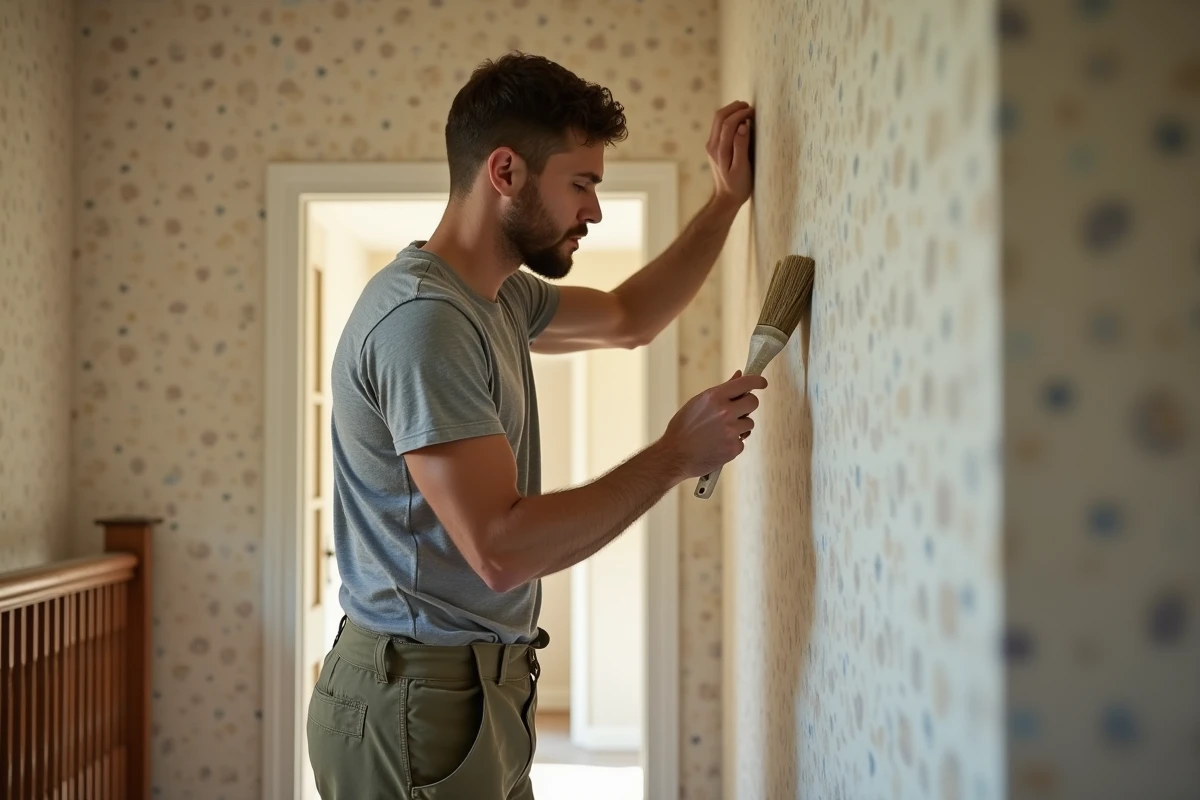
Protecting the wall means protecting the site and everything around it. Cover sensitive areas with a polyethylene film or a plastic tarp, securely fastened with adhesive tape. This protective layer stops chips and dust, prevents debris from spreading to nearby surfaces, and limits cleanup after work. Don’t forget personal protective equipment: goggles, suitable gloves, FFP2 mask, and non-slip shoes. Safety is never superfluous; it also ensures the precision of the gesture.
Before any intervention, take the time to observe the stone wall. Check that the surface is not too damp: a dry substrate reduces the risks of infiltration and the formation of efflorescence once the render is removed. If white marks appear, plan for appropriate treatment, fungicide, or a gentle cleaning with white vinegar. For the last traces of interior plaster, Marseille soap works wonders in dissolving residues without attacking the stone.
To finish the work properly, keep these tips in mind:
- Use a fine putty knife for touch-ups, avoiding any excessive pressure.
- Prefer several light passes rather than a heavy gesture that could damage the stone.
- For finishing, apply a water-repellent to protect the facade exposed to moisture and prolong its durability.
Every operation on a dry render requires constant attention. Protecting the stone, restoring its living texture, is also about passing on to the next generation a wall that has retained its memory. The care taken in restoration is long-lasting, and every detail matters so that the stone can tell its story for a long time.